
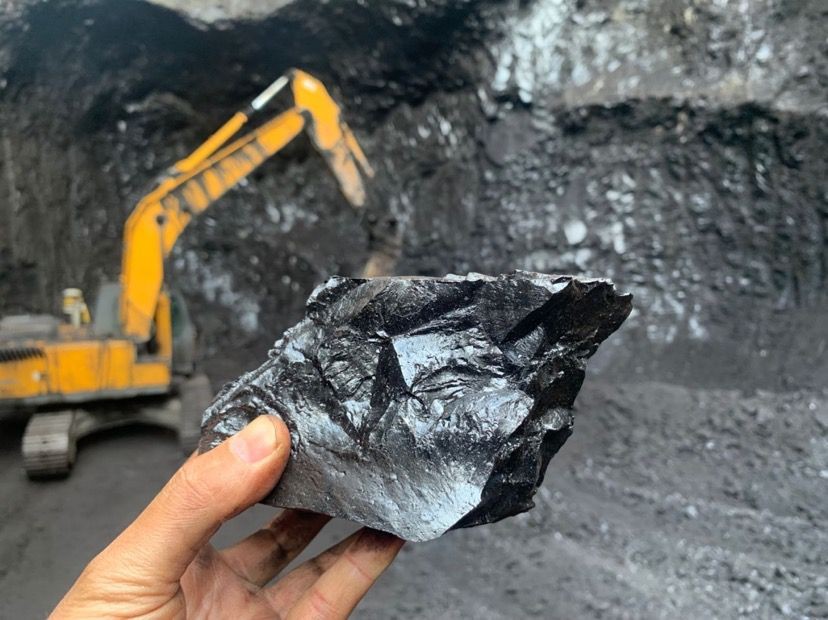
Gilsonite
Gilsonite, a unique natural mineral, is recognized as an excellent additive across various industries. With its exceptional properties, including high thermal stability and UV resistance, it significantly enhances the quality of asphalt, paints, and coatings. In the asphalt industry, Gilsonite improves durability and flexibility, while in paints, it provides deep color and greater longevity. By using Gilsonite, not only is product performance enhanced, but it also contributes to environmental protection. It’s a smart choice for a sustainable future!
Gilsonate
Gilsonite, a unique natural mineral, is recognized as an excellent additive across various industries. With its exceptional properties, including high thermal stability and UV resistance, it significantly enhances the quality of asphalt, paints, and coatings. In the asphalt industry, Gilsonite improves durability and flexibility, while in paints, it provides deep color and greater longevity. By using Gilsonite, not only is product performance enhanced, but it also contributes to environmental protection. It’s a smart choice for a sustainable future!
What is Gilsonite? How is Gilsonite Formed? History of Gilsonite
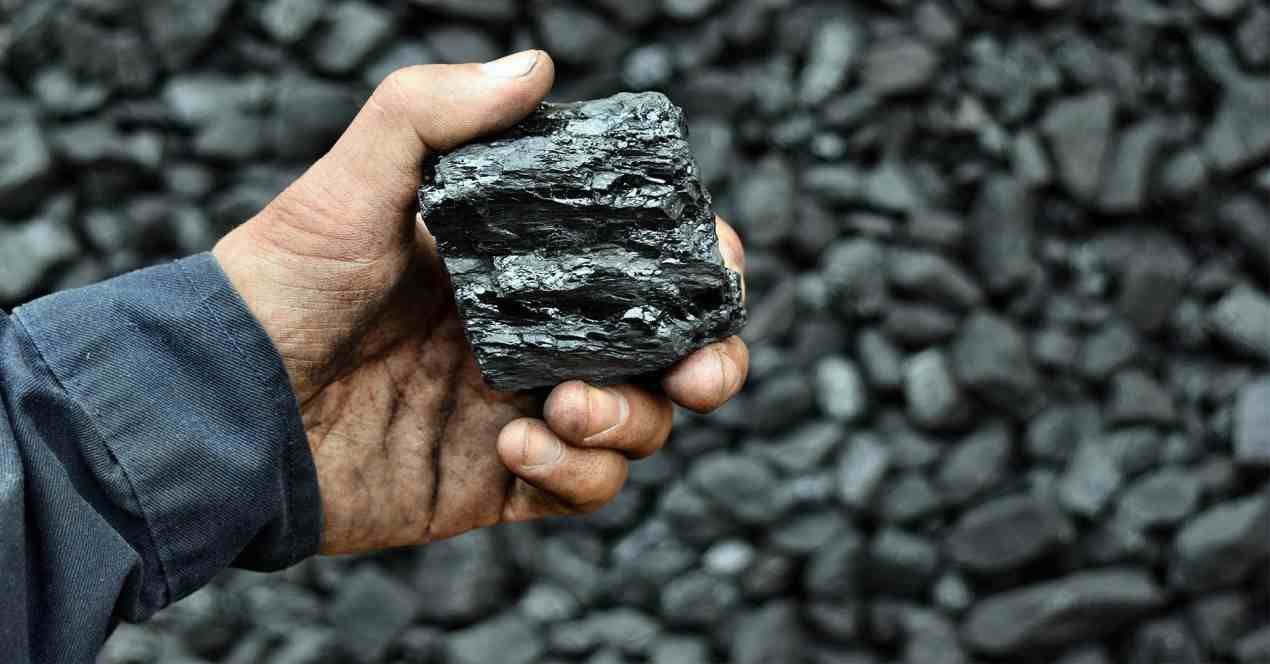
Gilsonite, is a natural mineral primarily composed of carbon, widely used as an additive in various industries. This material is mainly employed in the production of asphalt, paints, and coatings. Gilsonite, or “asphaltite,” is a natural mineral primarily composed of carbon, widely used as an additive in various industries. This material is mainly employed in the production of asphalt, paints, and coatings. Its unique properties, such as high thermal stability, low solubility in water, and excellent adhesion qualities, make it an ideal component for enhancing the performance of these products.
In the asphalt industry, Gilsonite serves as a modifier to improve the durability and flexibility of asphalt mixtures, which helps in extending the lifespan of road surfaces. The addition of Gilsonite can enhance resistance to deformation and reduce the risk of cracking, particularly in extreme weather conditions.
In paints and coatings, Gilsonite acts as a pigment extender and a binding agent. It provides a deep, rich color while also improving the overall durability of the coating. Its ability to resist ultraviolet (UV) radiation helps in protecting surfaces from sun damage, making it a preferred choice in outdoor applications.
Moreover, Gilsonite has found applications in the oil and gas sector, where it is used in drilling fluids to increase density and control fluid loss. Its performance-enhancing properties contribute to more efficient drilling operations and minimized environmental impact.
As industries continue to seek sustainable and high-performance materials, Gilsonite remains a valuable resource. Its natural origin and multifunctional capabilities position it as a versatile additive across various applications, driving innovation and efficiency in manufacturing processes.
Gilsonite, is a natural mineral primarily composed of carbon, widely used as an additive in various industries. This material is mainly employed in the production of asphalt, paints, and coatings. Gilsonite, or “asphaltite,” is a natural mineral primarily composed of carbon, widely used as an additive in various industries. This material is mainly employed in the production of asphalt, paints, and coatings. Its unique properties, such as high thermal stability, low solubility in water, and excellent adhesion qualities, make it an ideal component for enhancing the performance of these products.
In the asphalt industry, Gilsonite serves as a modifier to improve the durability and flexibility of asphalt mixtures, which helps in extending the lifespan of road surfaces. The addition of Gilsonite can enhance resistance to deformation and reduce the risk of cracking, particularly in extreme weather conditions.
In paints and coatings, Gilsonite acts as a pigment extender and a binding agent. It provides a deep, rich color while also improving the overall durability of the coating. Its ability to resist ultraviolet (UV) radiation helps in protecting surfaces from sun damage, making it a preferred choice in outdoor applications.
Moreover, Gilsonite has found applications in the oil and gas sector, where it is used in drilling fluids to increase density and control fluid loss. Its performance-enhancing properties contribute to more efficient drilling operations and minimized environmental impact.
As industries continue to seek sustainable and high-performance materials, Gilsonite remains a valuable resource. Its natural origin and multifunctional capabilities position it as a versatile additive across various applications, driving innovation and efficiency in manufacturing processes.

Gilsonite, also known as asphaltite, was discovered in the 19th century in the United States, particularly in Utah. This mineral is named after Benjamin Gilson, one of the pioneers in its extraction and use. In the early 20th century, Gilsonite gained attention as a valuable additive in the asphalt industry, as well as in the production of paints and coatings. Its unique properties, such as high adhesion and thermal stability, contributed to its growing popularity.
Over time, the application of Gilsonite expanded into the oil and gas industry, where it is used as a viscosity-reducing agent in drilling fluids. Today, Gilsonite is recognized as a multifunctional material across various industries, and due to its environmentally friendly attributes, it has become a suitable choice for sustainable production. Additionally, Gilsonite’s ability to enhance the performance of products has led to its incorporation in the manufacturing of various industrial and consumer goods. In the rubber industry, it is utilized as a reinforcing agent, improving the durability and longevity of rubber products. In the cosmetics sector, Gilsonite serves as a natural pigment and thickening agent, contributing to the texture and color of various beauty formulations.
The mineral’s versatility extends to the construction industry, where it is employed in sealants and waterproofing materials, providing enhanced protection against the elements. Its resistance to UV radiation and oxidation makes it particularly valuable in outdoor applications, ensuring that structures remain intact and aesthetically pleasing over time.
As industries increasingly seek sustainable alternatives, the demand for Gilsonite continues to grow. Researchers are exploring innovative ways to harness its properties, including potential applications in bio-based composites and environmentally friendly packaging solutions. This ongoing exploration highlights Gilsonite’s potential to play a significant role in the transition towards greener technologies.
Furthermore, the mining and processing of Gilsonite have evolved, with companies implementing more efficient and environmentally responsible practices. Efforts to minimize the ecological footprint of its extraction have become a priority, aligning with global sustainability goals. As awareness of the importance of sustainable materials rises, Gilsonite stands out as a prime example of how natural resources can be utilized responsibly while meeting the needs of various industries.
In summary, Gilsonite’s rich history and diverse applications showcase its significance in multiple sectors. Its unique characteristics not only enhance product performance but also support environmentally conscious practices, making it a valuable asset in today’s industrial landscape.