
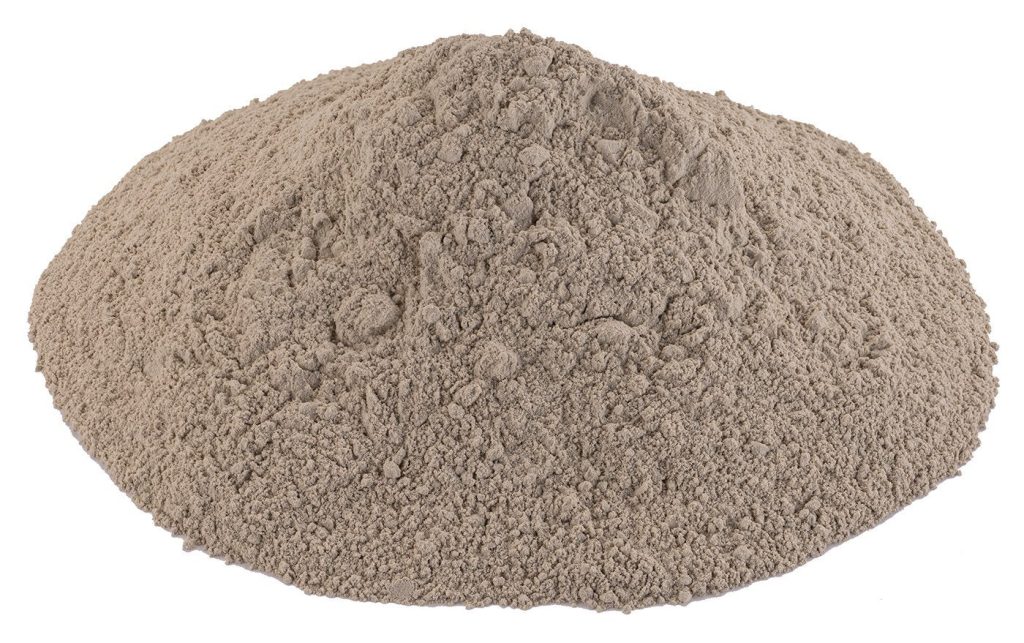
Bentonite
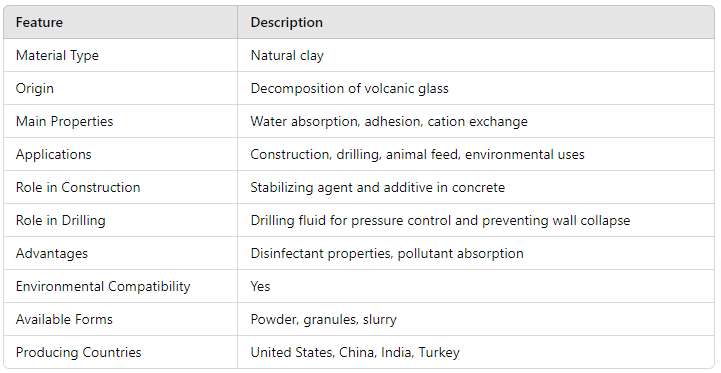
Bentonite is a natural, multifunctional clay formed from the decomposition of volcanic glass. Due to its unique properties, such as water absorption, adhesion, and cation exchange capacity, it is widely used across various industries. Bentonite is especially valuable in the construction industry as a stabilizing agent and in concrete production.
In the drilling industry, this clay serves as an effective drilling fluid, helping to control pressure and prevent wall collapse in boreholes. Additionally, bentonite is utilized in animal feed production and as a natural adsorbent for toxins and chemicals in the environment.
With its disinfectant properties and ability to absorb pollutants, bentonite contributes to soil and water health. Given its environmentally friendly attributes, bentonite has become a sustainable choice for various industries, promoting innovation while supporting ecological balance.
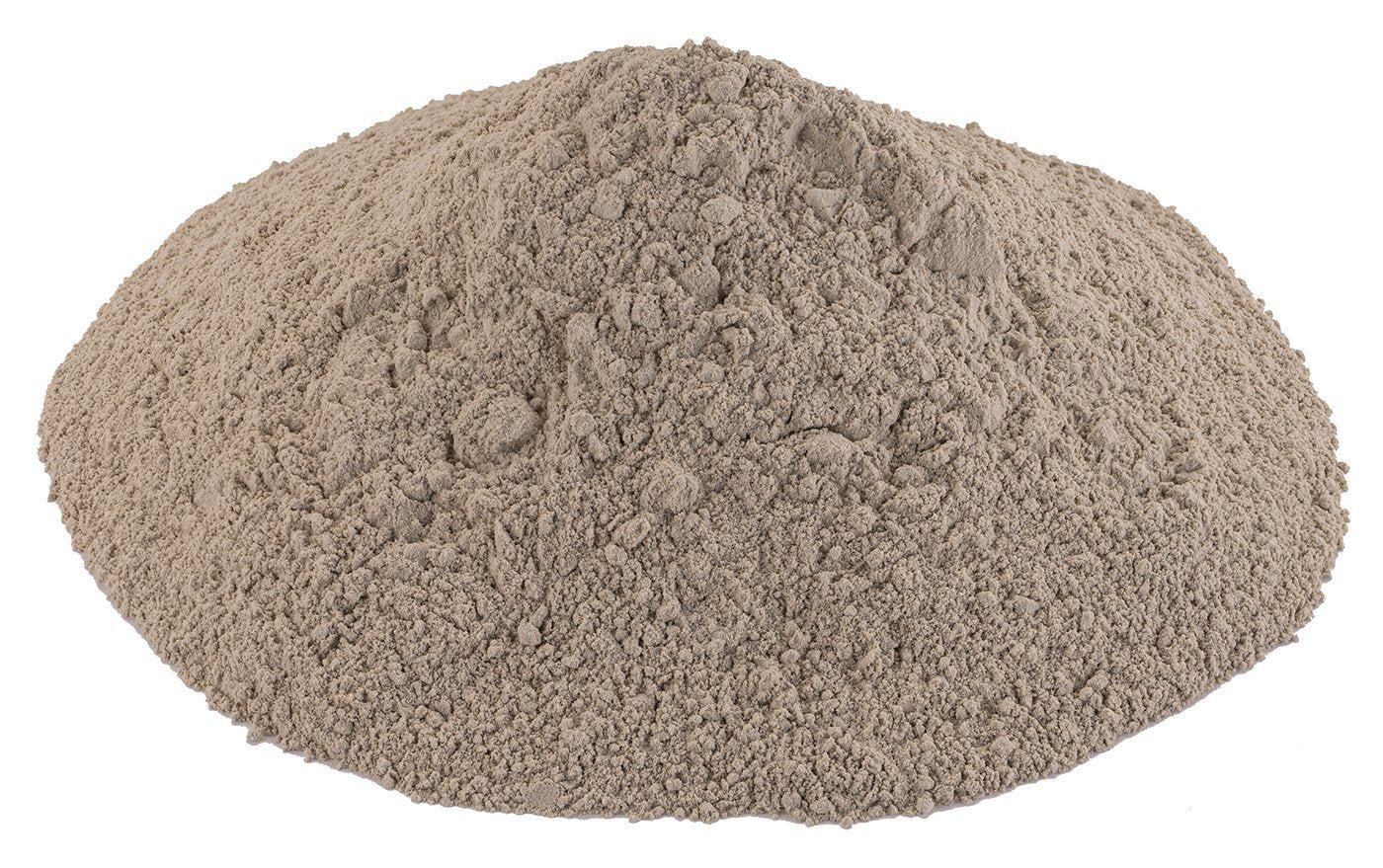
Bentonite
Bentonite is a natural, multifunctional clay formed from the decomposition of volcanic glass. Due to its unique properties, such as water absorption, adhesion, and cation exchange capacity, it is widely used across various industries. Bentonite is especially valuable in the construction industry as a stabilizing agent and in concrete production.
In the drilling industry, this clay serves as an effective drilling fluid, helping to control pressure and prevent wall collapse in boreholes. Additionally, bentonite is utilized in animal feed production and as a natural adsorbent for toxins and chemicals in the environment.
With its disinfectant properties and ability to absorb pollutants, bentonite contributes to soil and water health. Given its environmentally friendly attributes, bentonite has become a sustainable choice for various industries, promoting innovation while supporting ecological balance.
What is Bentonite? How is Bentonite Formed? Bentonite History
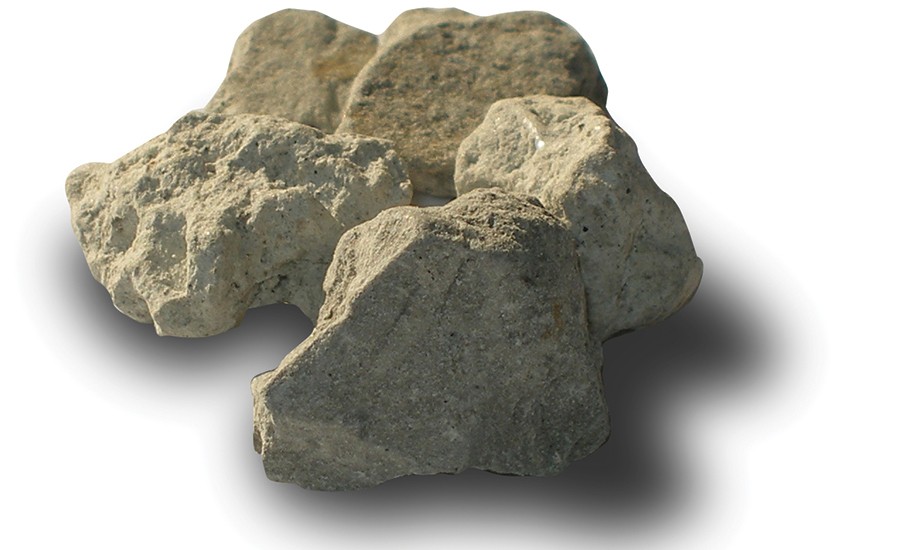
Bentonite is a natural, multifunctional clay formed from the decomposition of volcanic glass. Due to its unique properties, such as water absorption, adhesion, and cation exchange capacity, it is widely used across various industries. Bentonite is especially valuable in the construction industry as a stabilizing agent and in concrete production.
In the drilling industry, this clay serves as an effective drilling fluid, helping to control pressure and prevent wall collapse in boreholes. Additionally, bentonite is utilized in animal feed production and as a natural adsorbent for toxins and chemicals in the environment.
With its disinfectant properties and ability to absorb pollutants, bentonite contributes to soil and water health. Given its environmentally friendly attributes, bentonite has become a sustainable choice for various industries, promoting innovation while supporting ecological balance. Moreover, bentonite is categorized into different types, with sodium bentonite and calcium bentonite being the most commonly recognized. Sodium bentonite is known for its high swelling capacity and is often used in applications requiring significant water absorption, while calcium bentonite has a lower swelling potential and is frequently employed in industrial applications like sealing and lining.
In agriculture, bentonite serves as a soil amendment, improving soil structure and fertility. Its ability to retain moisture makes it particularly beneficial in arid regions, where it can help enhance crop yields. Furthermore, bentonite clay has gained popularity in the cosmetics industry, where it is utilized in skincare products for its detoxifying and exfoliating properties.
The use of bentonite extends to the pharmaceutical sector as well. It acts as a binder in tablet formulations and is employed in various medicinal applications due to its adsorbent qualities, aiding in the detoxification process.
Research continues to explore new applications for bentonite, including its potential role in wastewater treatment, heavy metal removal, and as a biodegradable packaging material. As industries seek sustainable solutions, bentonite’s versatility and eco-friendly nature position it as a vital resource for the future.
In summary, bentonite is a remarkable natural resource with a wide range of applications across multiple sectors. Its unique characteristics not only bolster industrial efficiency but also promote environmental sustainability, making it an increasingly valuable commodity in our modern world.
Bentonite is a natural, multifunctional clay formed from the decomposition of volcanic glass. Due to its unique properties, such as water absorption, adhesion, and cation exchange capacity, it is widely used across various industries. Bentonite is especially valuable in the construction industry as a stabilizing agent and in concrete production.
In the drilling industry, this clay serves as an effective drilling fluid, helping to control pressure and prevent wall collapse in boreholes. Additionally, bentonite is utilized in animal feed production and as a natural adsorbent for toxins and chemicals in the environment.
With its disinfectant properties and ability to absorb pollutants, bentonite contributes to soil and water health. Given its environmentally friendly attributes, bentonite has become a sustainable choice for various industries, promoting innovation while supporting ecological balance. Moreover, bentonite is categorized into different types, with sodium bentonite and calcium bentonite being the most commonly recognized. Sodium bentonite is known for its high swelling capacity and is often used in applications requiring significant water absorption, while calcium bentonite has a lower swelling potential and is frequently employed in industrial applications like sealing and lining.
In agriculture, bentonite serves as a soil amendment, improving soil structure and fertility. Its ability to retain moisture makes it particularly beneficial in arid regions, where it can help enhance crop yields. Furthermore, bentonite clay has gained popularity in the cosmetics industry, where it is utilized in skincare products for its detoxifying and exfoliating properties.
The use of bentonite extends to the pharmaceutical sector as well. It acts as a binder in tablet formulations and is employed in various medicinal applications due to its adsorbent qualities, aiding in the detoxification process.
Research continues to explore new applications for bentonite, including its potential role in wastewater treatment, heavy metal removal, and as a biodegradable packaging material. As industries seek sustainable solutions, bentonite’s versatility and eco-friendly nature position it as a vital resource for the future.
In summary, bentonite is a remarkable natural resource with a wide range of applications across multiple sectors. Its unique characteristics not only bolster industrial efficiency but also promote environmental sustainability, making it an increasingly valuable commodity in our modern world.

In summary, bentonite is a remarkable natural resource with a wide range of applications across multiple sectors. Its unique characteristics not only bolster industrial efficiency but also promote environmental sustainability, making it an increasingly valuable commodity in our modern world. In summary, bentonite is a remarkable natural resource with a wide range of applications across multiple sectors. Its unique characteristics not only bolster industrial efficiency but also promote environmental sustainability, making it an increasingly valuable commodity in our modern world.
From the construction industry, where it is used as a sealing agent in landfills and as a component in drilling mud for oil and gas exploration, to agricultural applications that enhance soil quality and retain moisture, bentonite’s versatility is unparalleled. Its absorbent nature allows it to be effective in various environmental remediation processes, aiding in the cleanup of contaminated sites and improving water quality.
Moreover, in the realm of personal care products, bentonite has found a niche as a natural ingredient in cosmetics and skincare, known for its detoxifying properties. Its ability to bind toxins and impurities makes it a popular choice for face masks and other beauty treatments, promoting healthy skin without the use of synthetic chemicals.
As industries continue to seek sustainable alternatives, the demand for bentonite is expected to grow. Research and innovation are likely to unlock even more applications, from advanced materials in construction to novel uses in pharmaceuticals. The ongoing exploration of bentonite’s properties may lead to enhanced formulations and products that capitalize on its innate capabilities.
In conclusion, the future of bentonite appears bright. As we strive for a balance between industrial advancement and ecological responsibility, this natural clay stands out as a key player in fostering sustainable practices across various fields. Its continued integration into modern applications underscores the importance of leveraging natural resources wisely to benefit both the economy and the environment.